APPROACHING.
STAYING.
BEYONG.
GAVIN CHEN MMXXIV — MMXXVI
I use these words first for the camera: how near I stood, how
long I was allowed to remain, how the measuring of near and
far finally left the map. I use them also for what the camera
cannot show — the slow revision of a heart walking toward a
culture it was not given at birth.
No culture opens because the picture is sharp. Sharpness is
only optics. Between one person and another, as between one
country and another, there is a space that will not sit still for
a ruler. The work of looking is to stay in that space without
pretending to have crossed it.
What I can offer is not an account of three peoples, but a
record of being changed by them. I learned, by degrees, to
meet the world with more than sight. If that learning has a
name in a university, it may be Global Studies. In these pages
it is only the three words above.
Near enough to see the effort.
Not near enough to know the side.
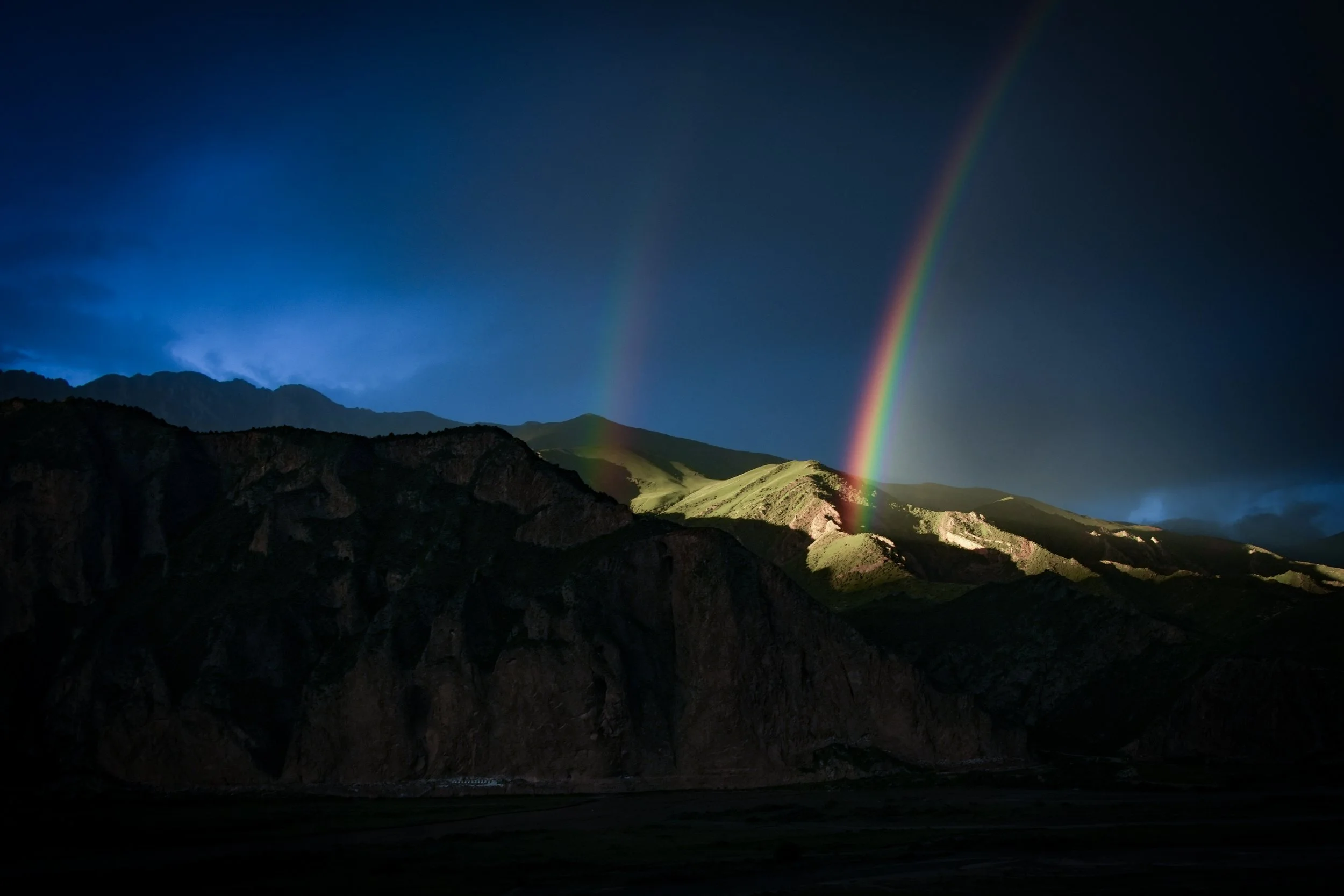
Sanjiangyuan — the Source of Three Rivers — sits on the
Qinghai–Tibet Plateau, where the Yangtze, the Yellow River,
and the Lancang (the Mekong) begin. Official language calls it
a water tower: melt and marsh here run east and south,
toward provinces inside China and toward countries farther
down the Mekong. The land is high, thin-aired, and easily
worn. What happens to a stove, a plastic bottle, or a stretch
of grassland does not stay local. It travels with the water.
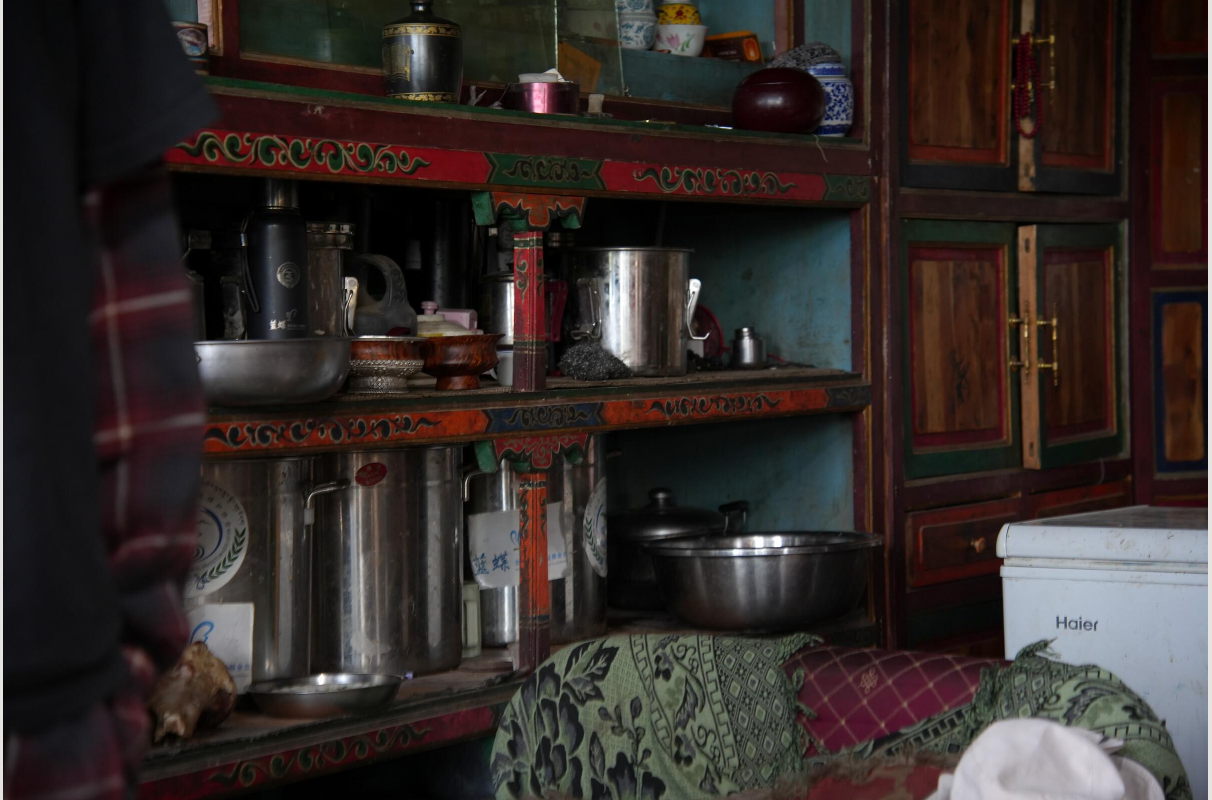
On that grassland some families have chosen a slower house.
They put aside tools that make a day easier and the river
dirtier — the small conveniences that would leave a residue
downstream. The rooms are ordinary: a painted cabinet, a
stove at the center, barley on a shelf, dung gathered for fuel.
The choice is not only an answer to a park or a slogan. In the
same lives there are prayer wheels, assemblies, a faith that
treats the mountain and the water as things one may offer
toward, not only use. Staying in those rooms is how the
second reason becomes visible: the giving is asked for from
outside, and it is also given.
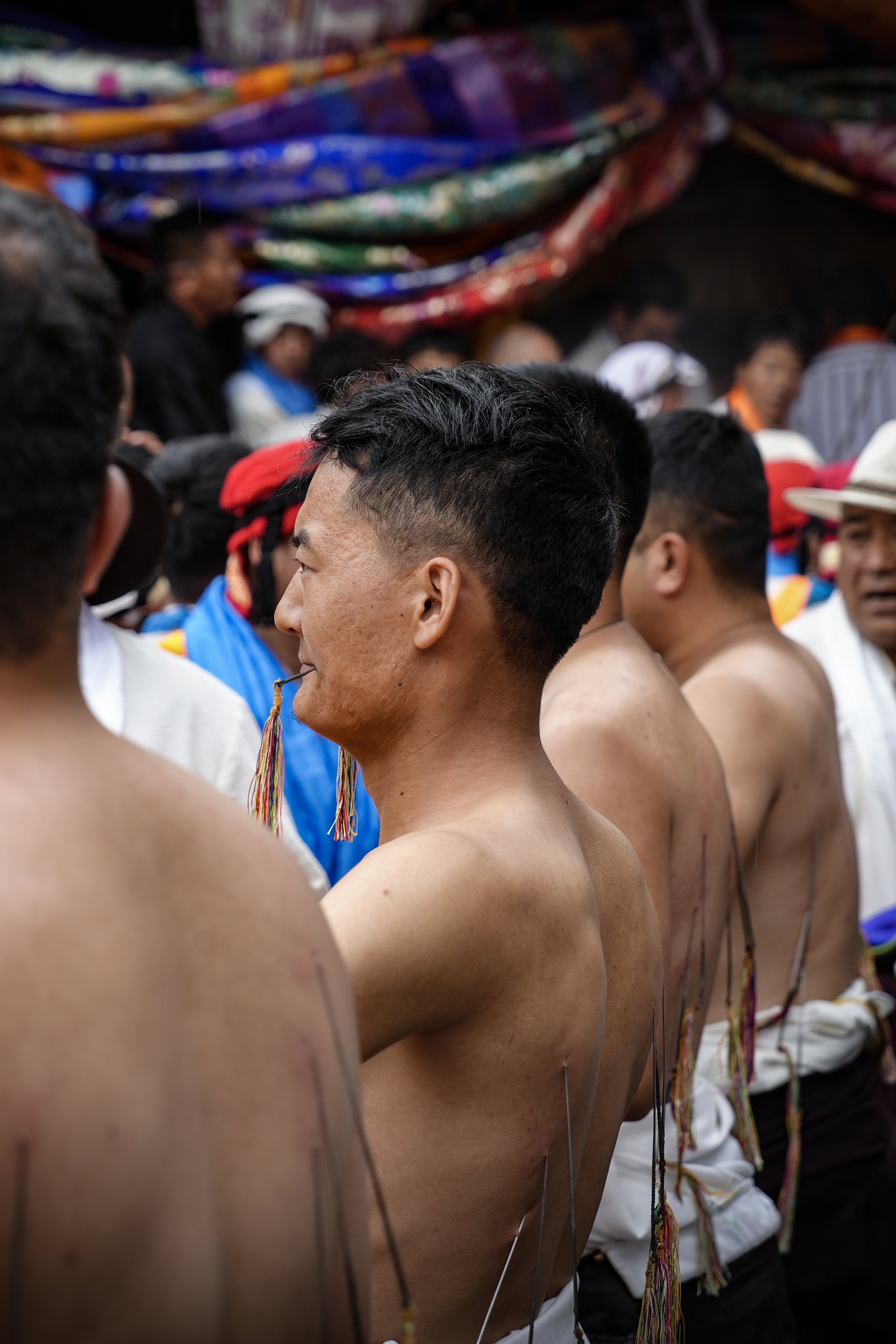
The needles move on the back like a cape of thatch that has learned to dance — a show of nerve, and a vow repaid.
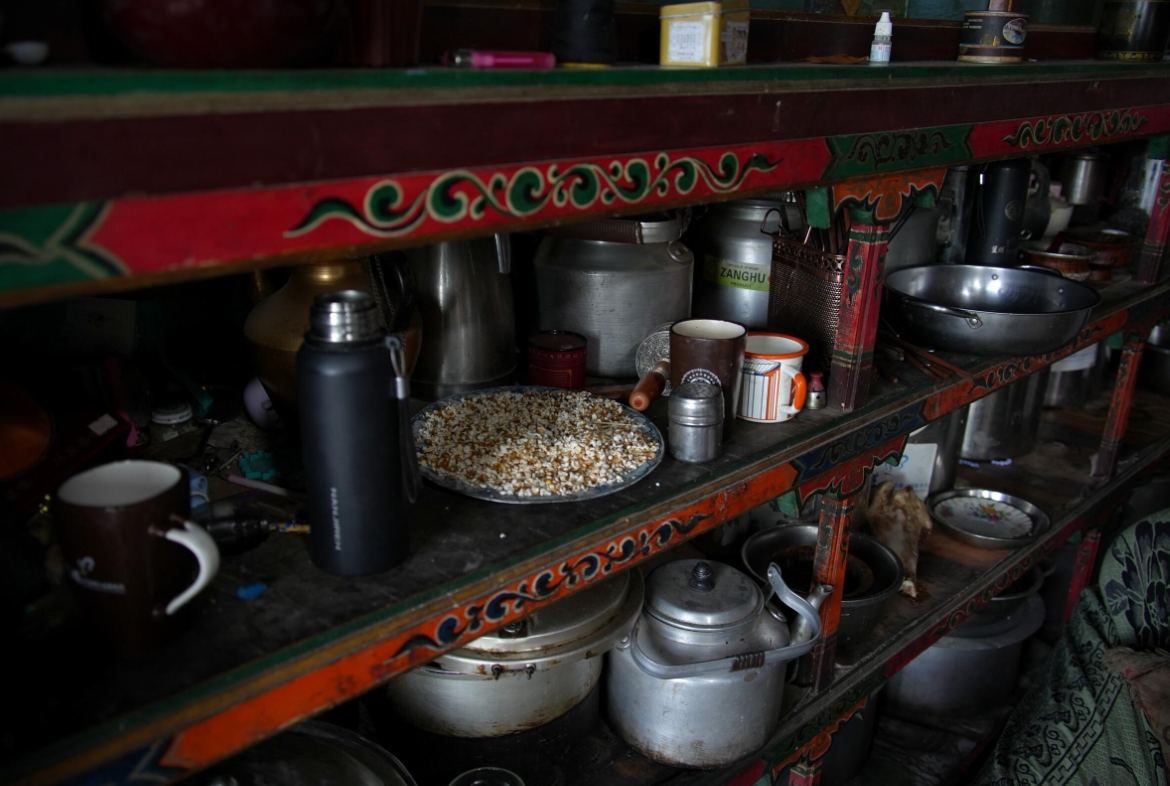
What remains of convenience is what they still choose to keep.
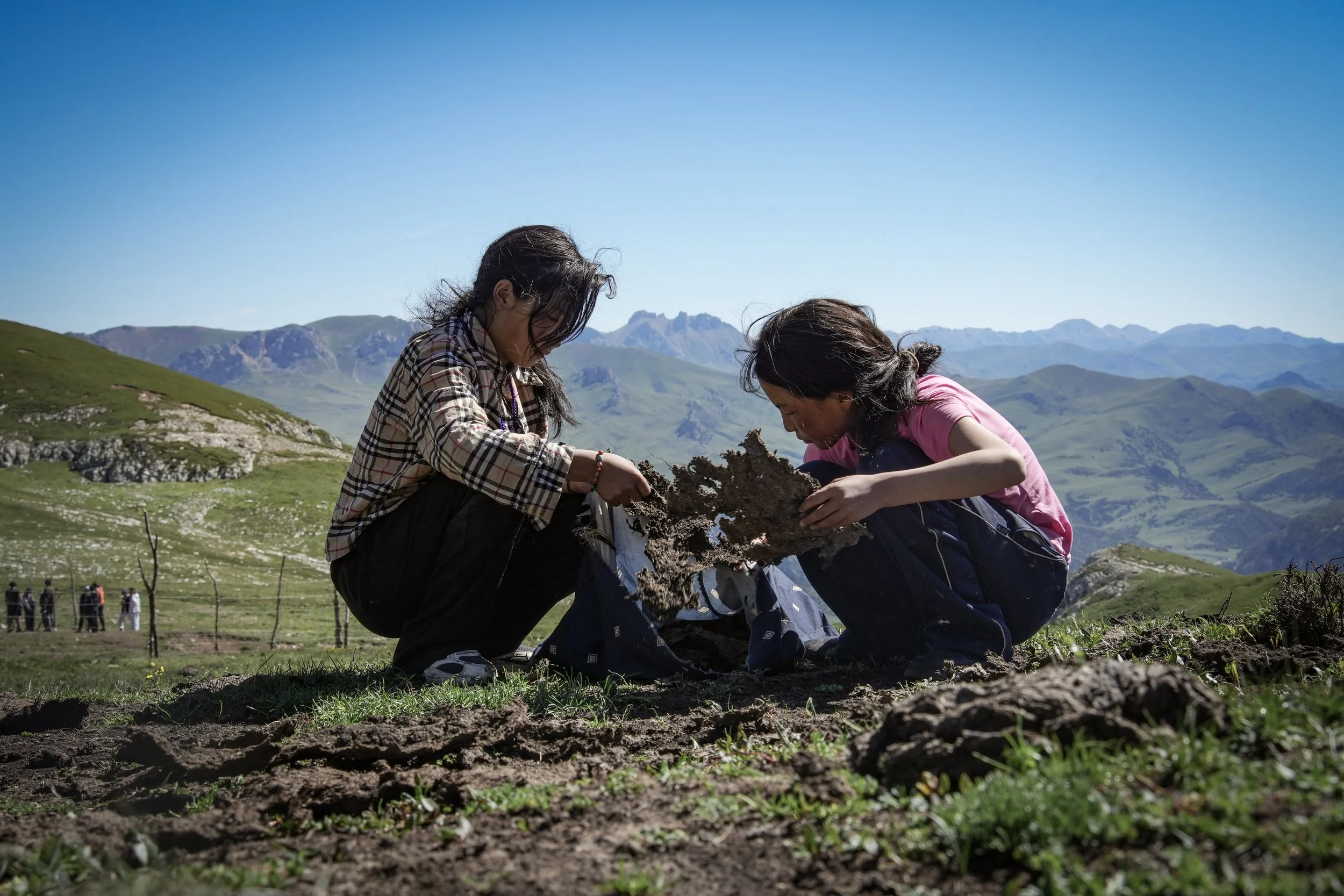
They are not gathering landscape.
Living with the zero-waste families, I saw what kept the
sacrifice from being a single season. Policy could ask, and
it did. Faith was what made the asking livable — a reason
to put the easier tool down again the next morning, and the
morning after that.
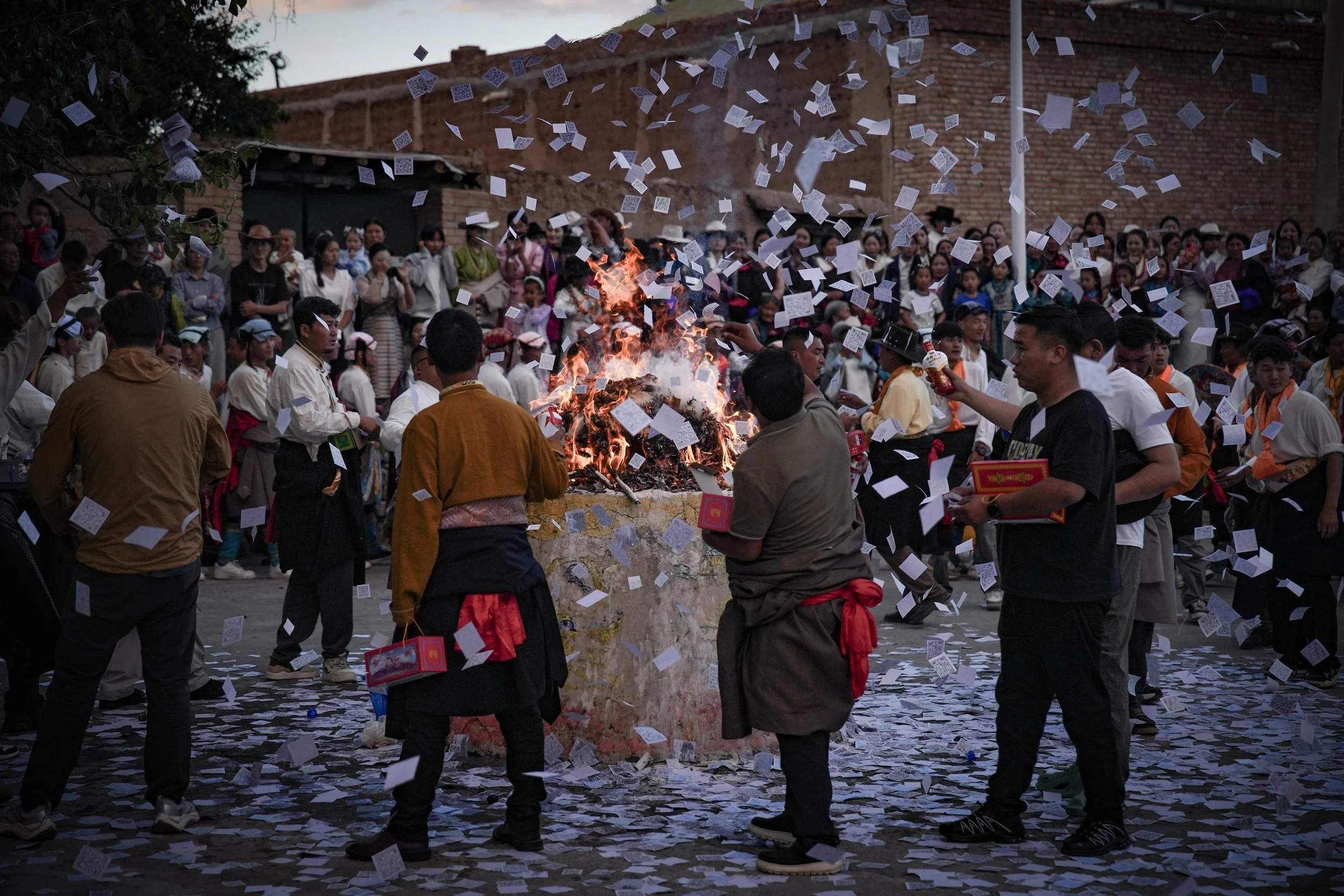
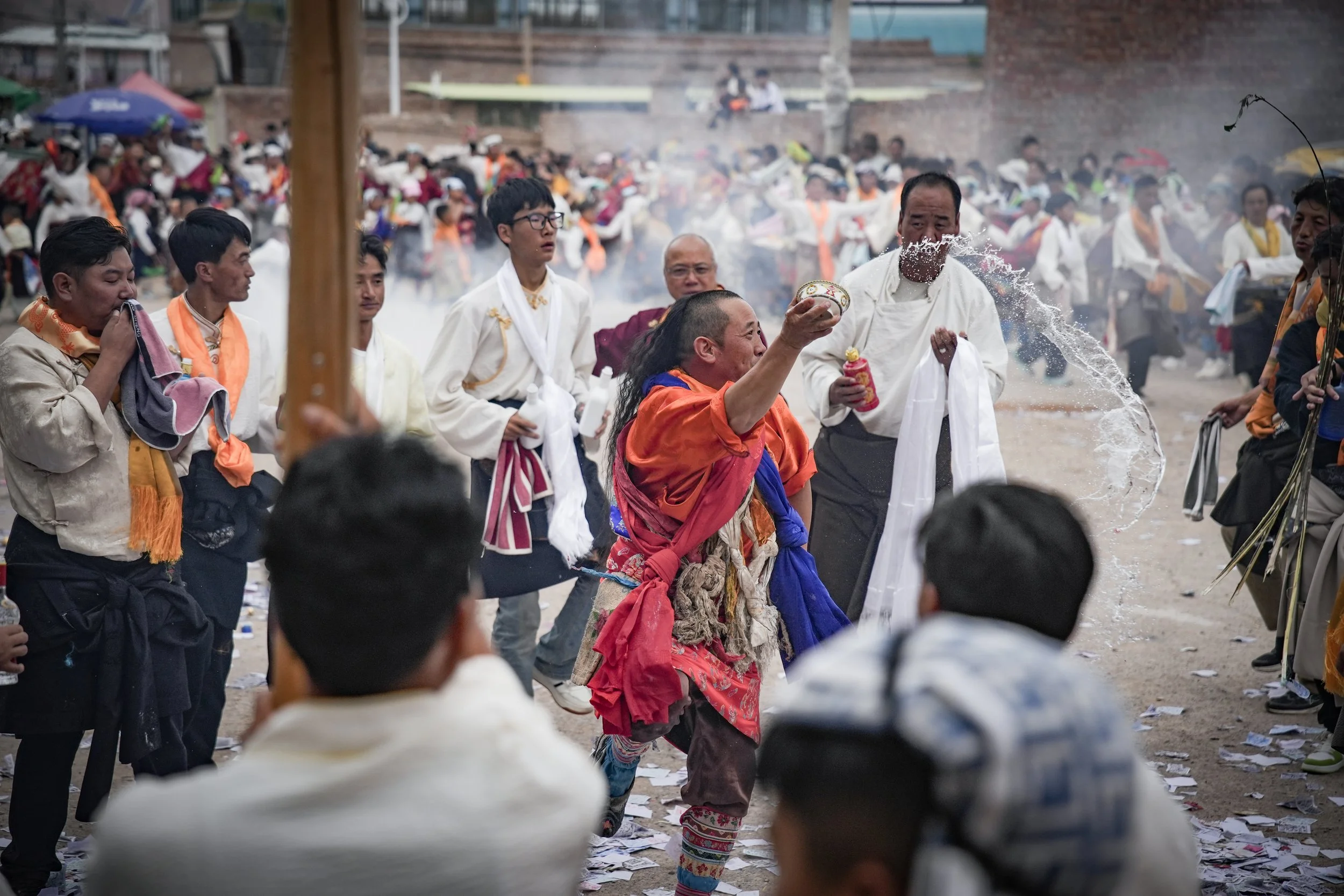
Wine found the sleeve while I was still lifting the camera. It soaked the coat and rose as the smell of fermented grain. I could not tell whether it was a blessing or a sending‑away. The square did not pause to explain.
Paper, cloth, fire. The rite keeps its grammar after dark.
02 STAYING
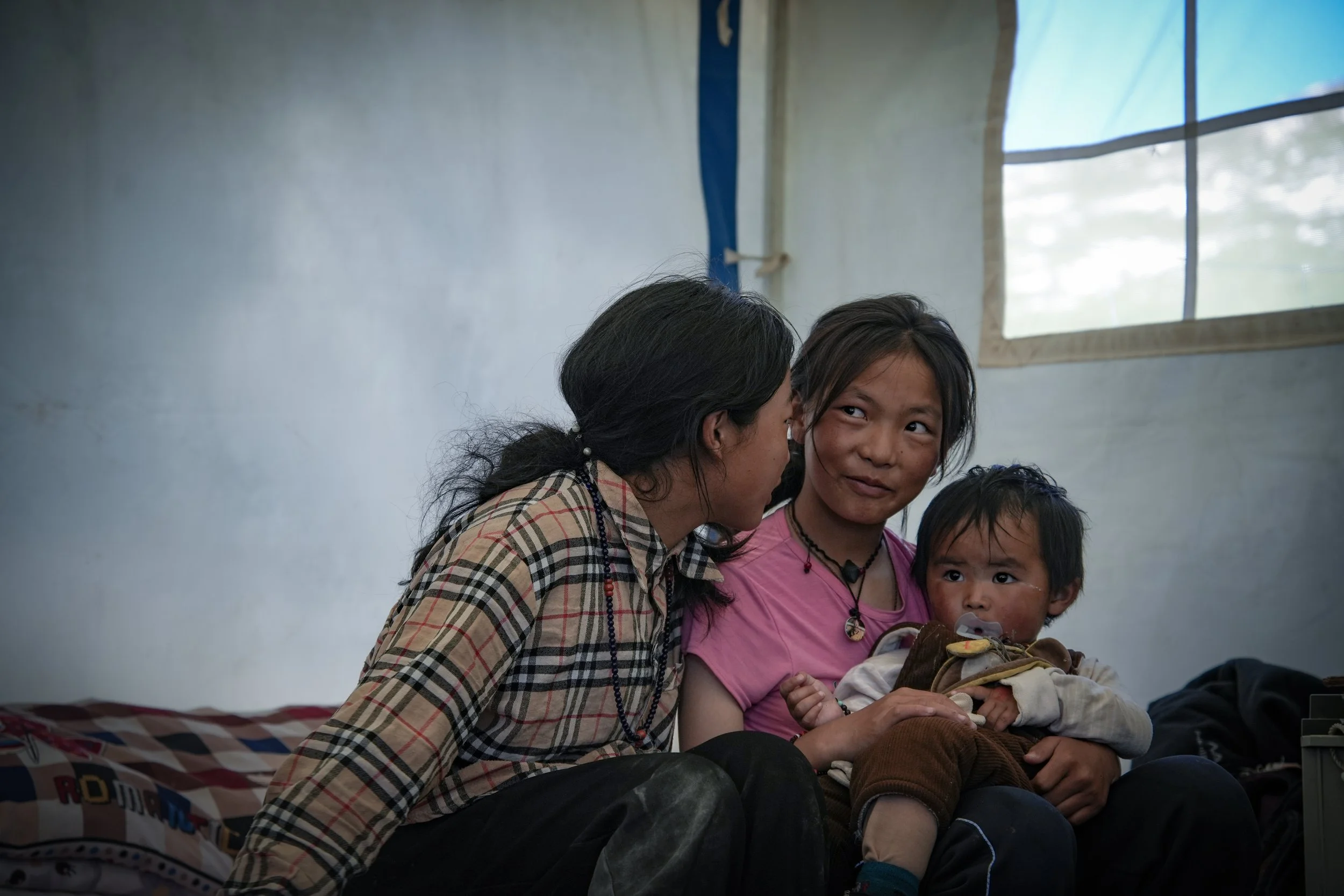
One room, two ways of remaining.
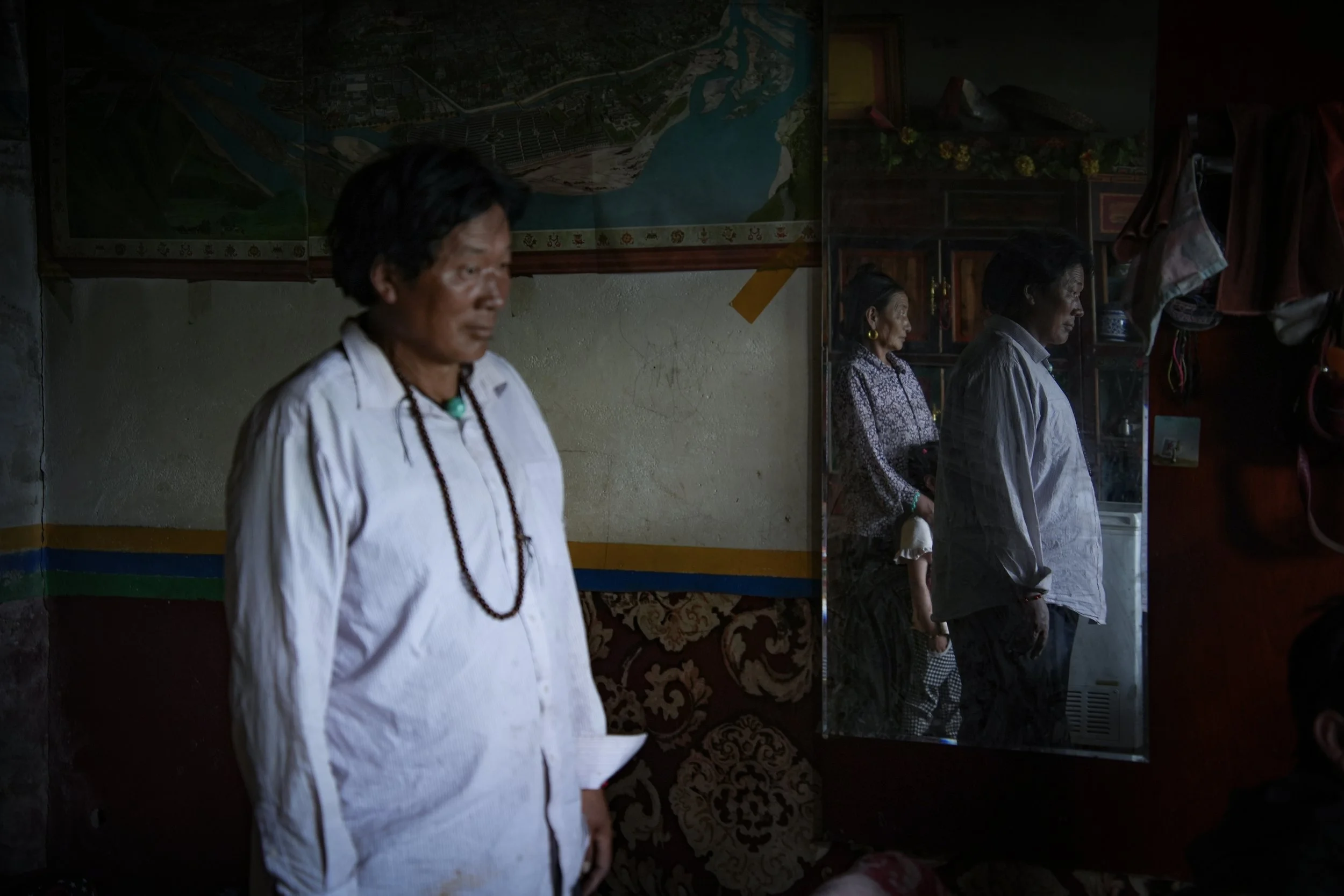
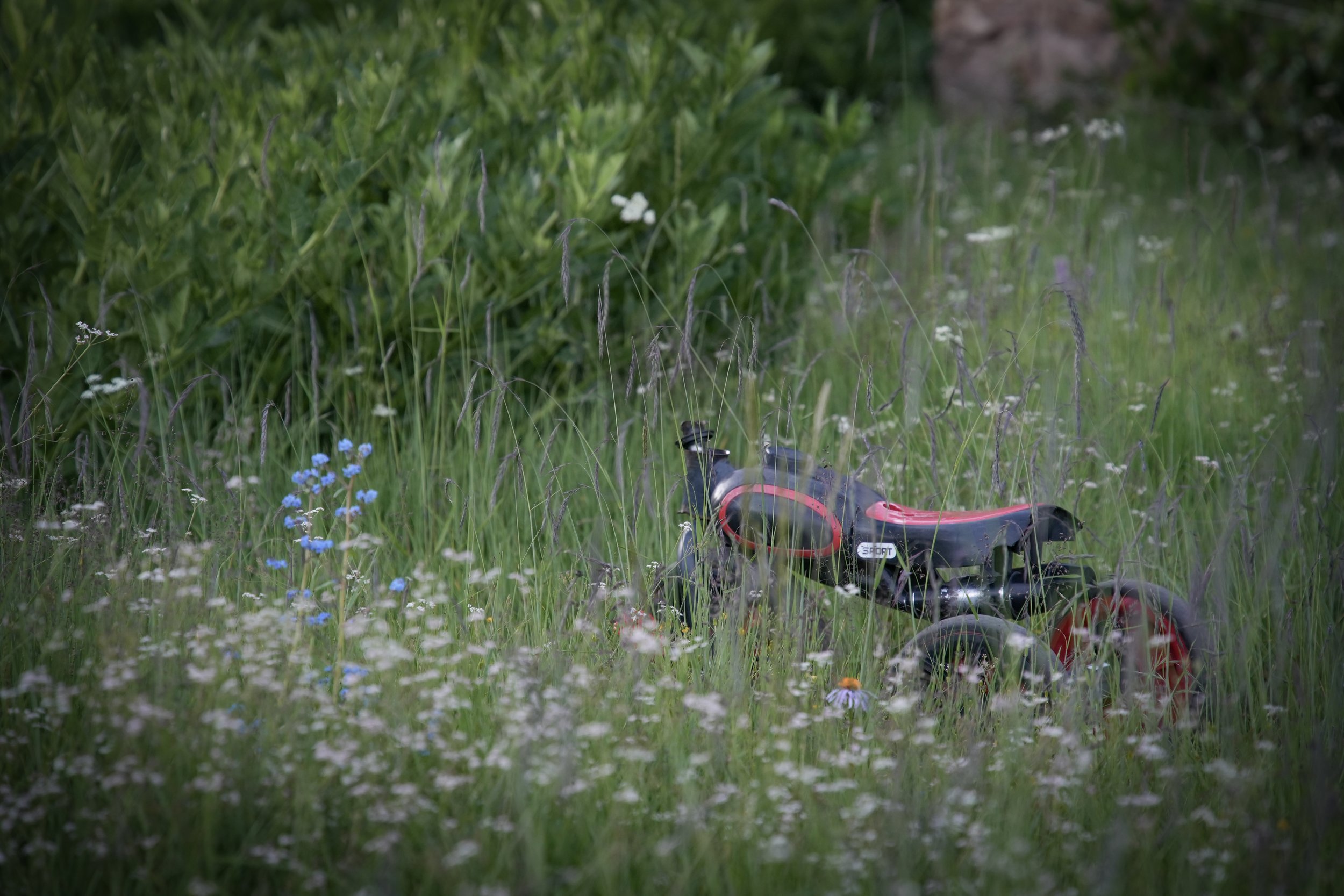
The child parks the toy in the flowers.
The river still runs down.
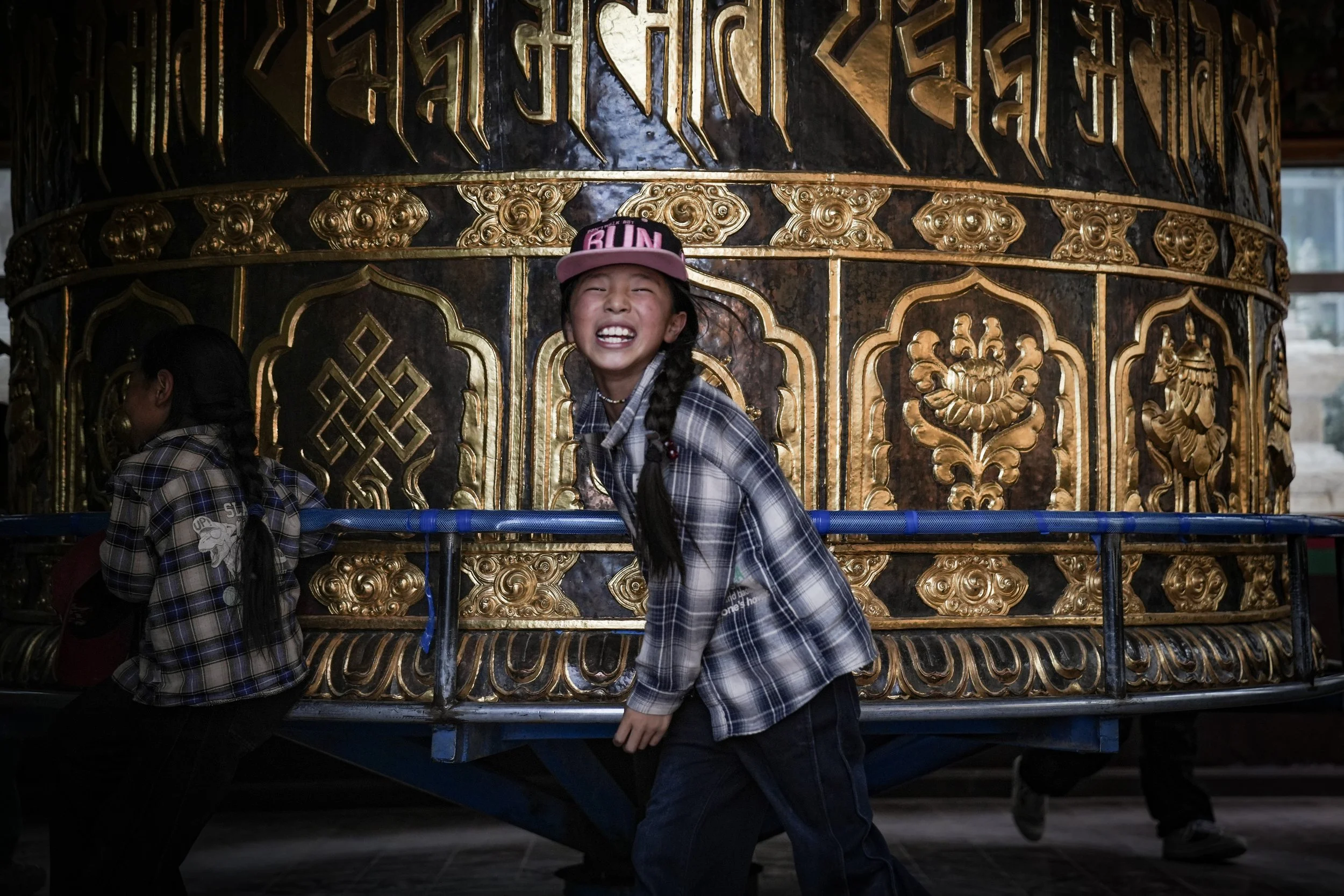
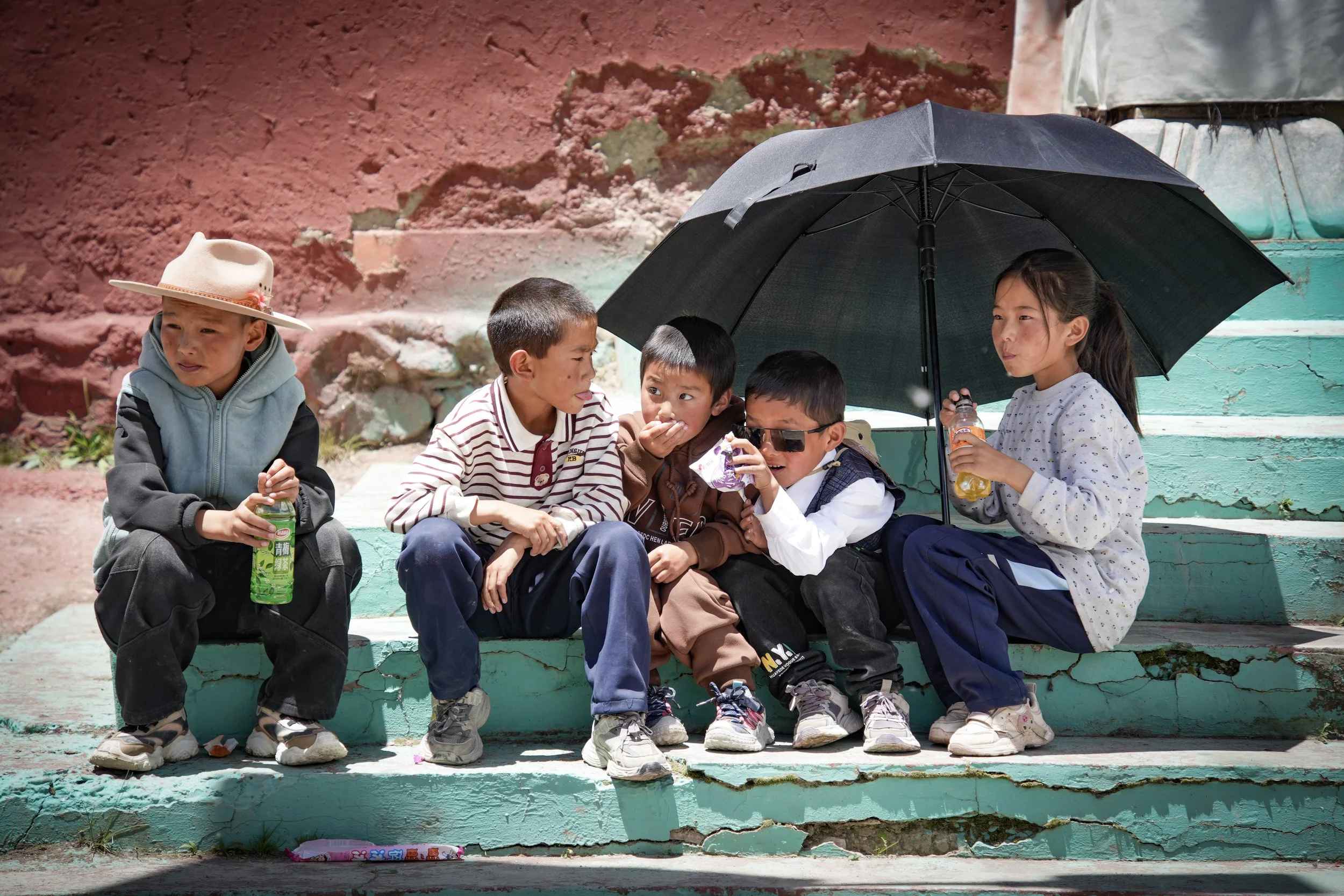
There I stayed. As a participant, not a visitor at the edge, I saw what I had wanted to see.
03 BEYOND
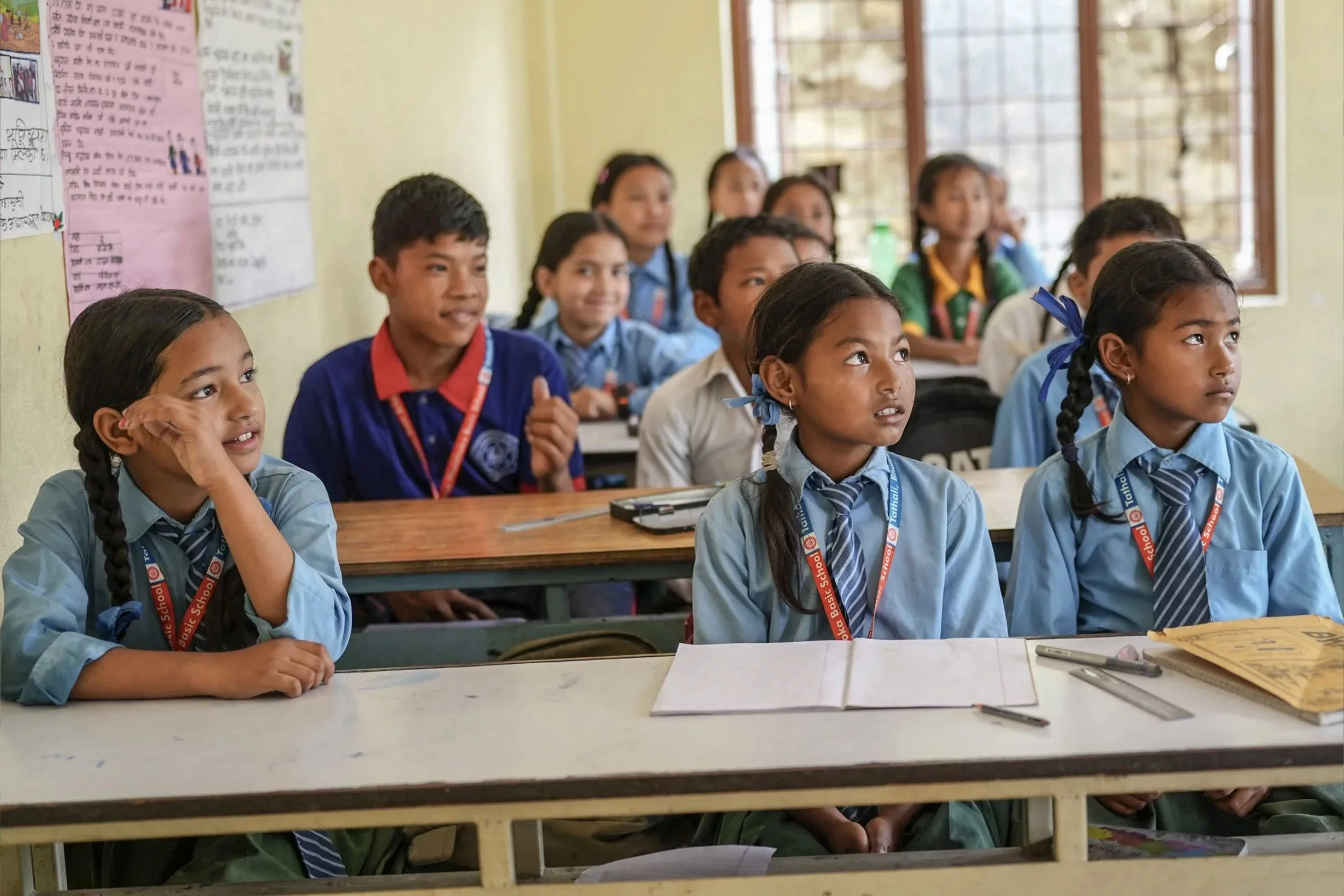
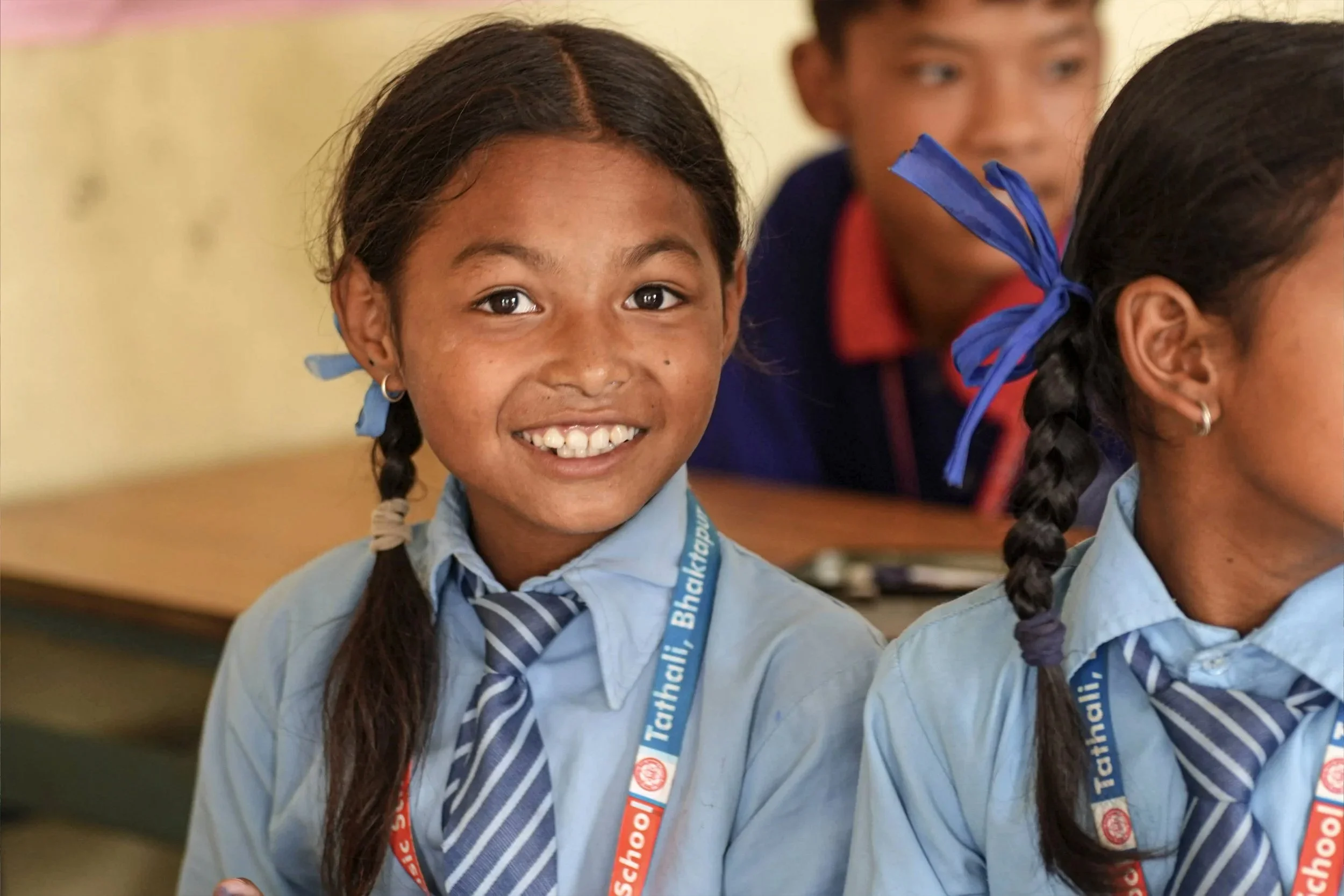
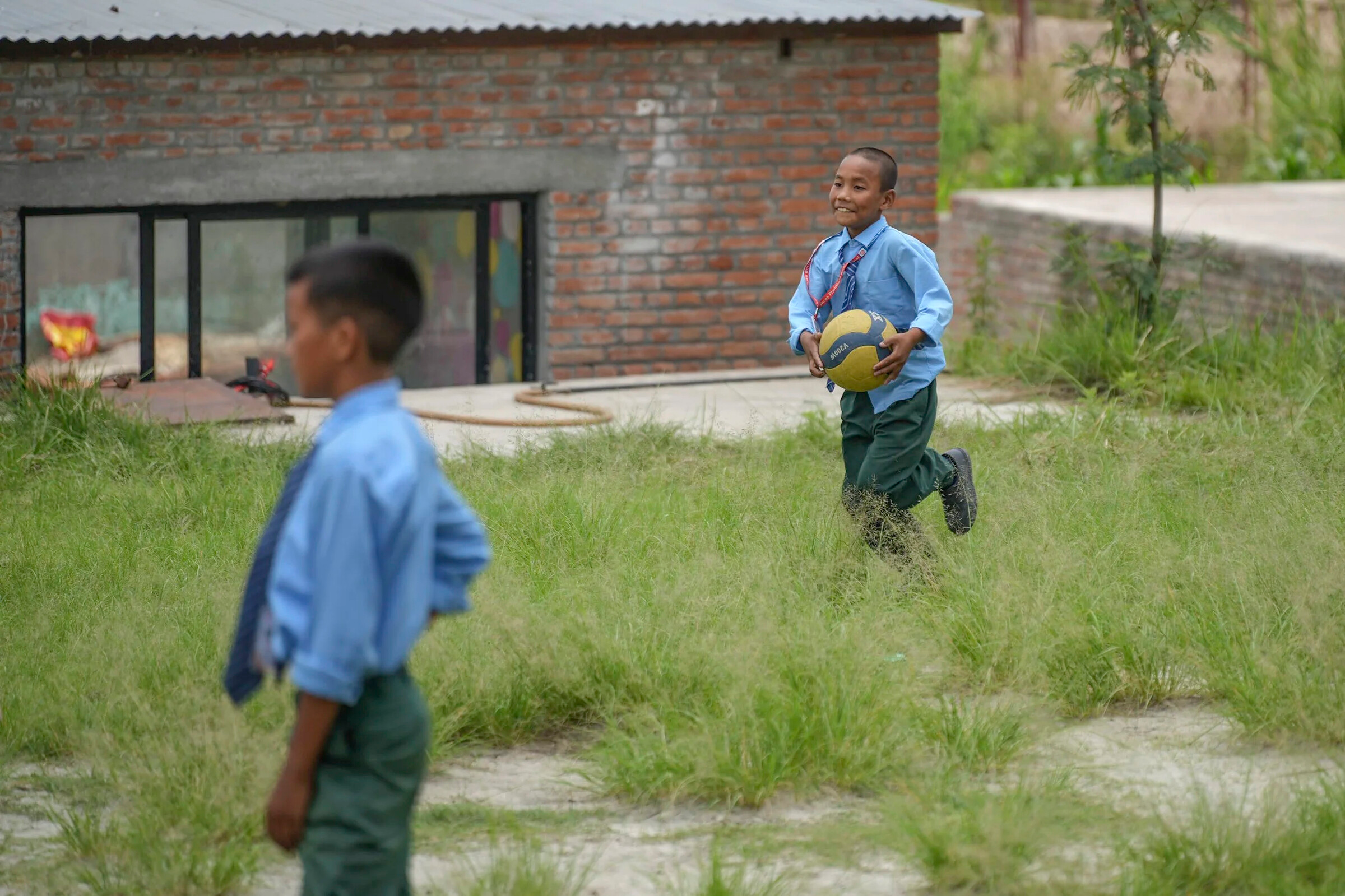
The Kathmandu Valley holds another seam: gilt roofs and
marigold, temple bells and electric wire, a classroom facing
forward and a yard that has not yet decided to be a pitch. In
Bhaktapur the highland face sits inside a uniform and a lanyard.
The world is not stored in separate rooms. What was mountain,
river, and rite upstream arrives here already sewn to another
system’s furniture.
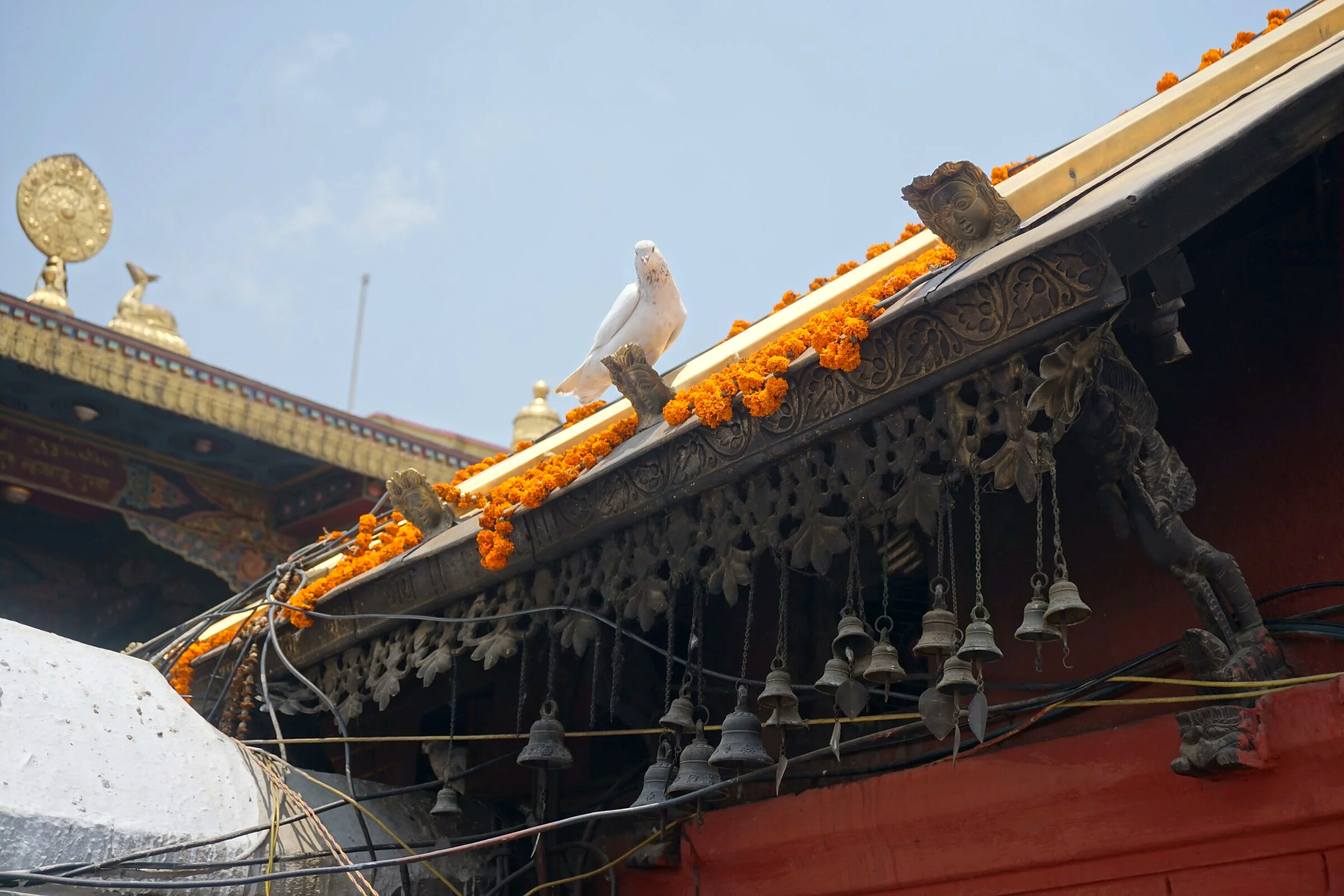
This time, when I sat at the side of a classroom in the valley, the question was no longer whether I counted as inside. Watching the lesson face forward, I began to want something for this place — not a rescue from afar, only a small improvement that might take root where the children already sit. I did not want only to take the pictures home. Global Studies is not yet a method for me. It is a little forward force: the wish to turn what I have seen here into work for this region. Beyond does not ask for more.
APPROACHING
STAYING
BEYOND
Photographs made at the Rebkong Lurol; in zero-waste
households and assemblies on the Sanjiangyuan grassland,
including Nangchen, and in schoolyards of the Kathmandu Valley.
A Photographic Folio
Photographs by Gavin Chen
MMXXIV — MMXXVI
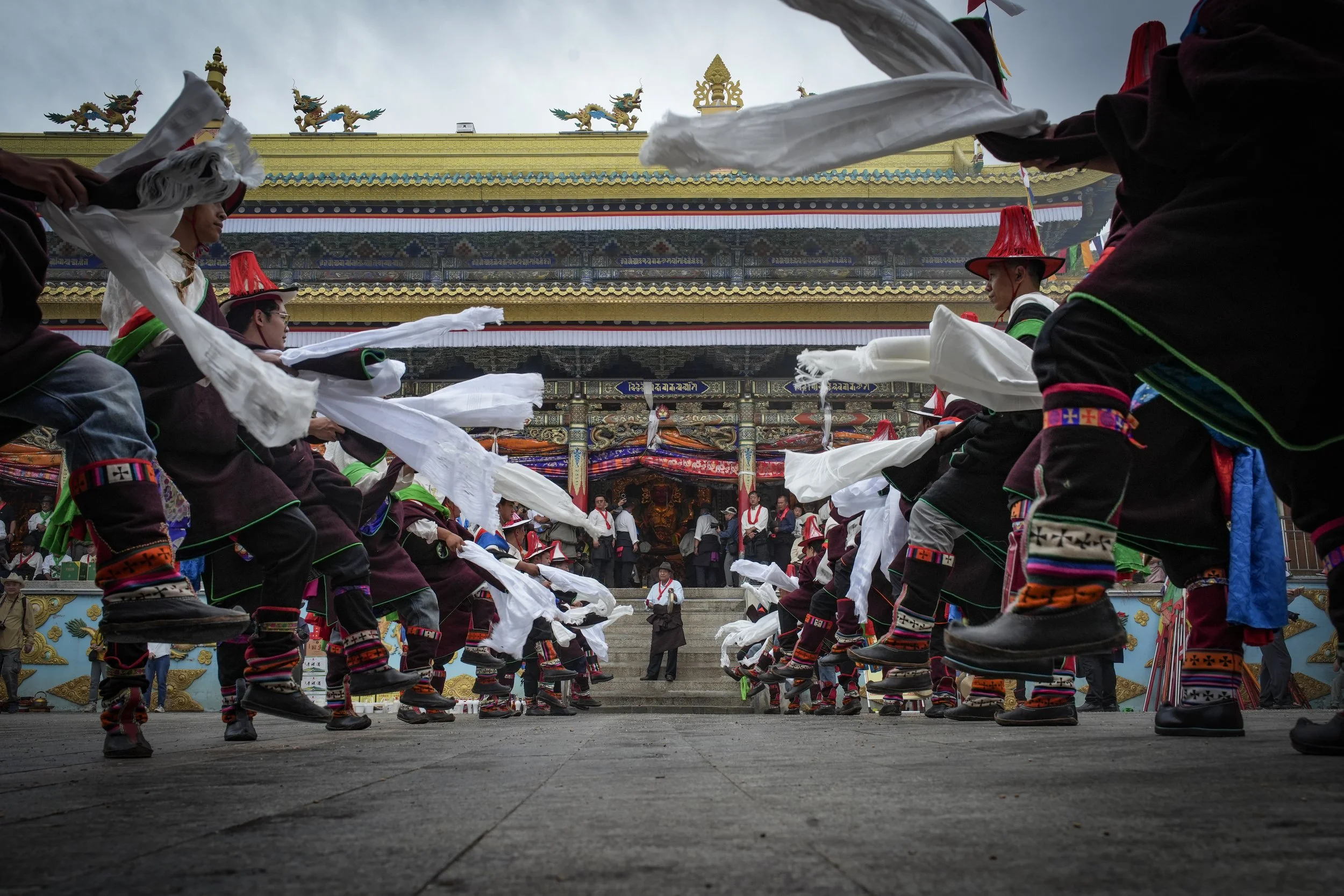
I am beside them. This is as near as I can give.
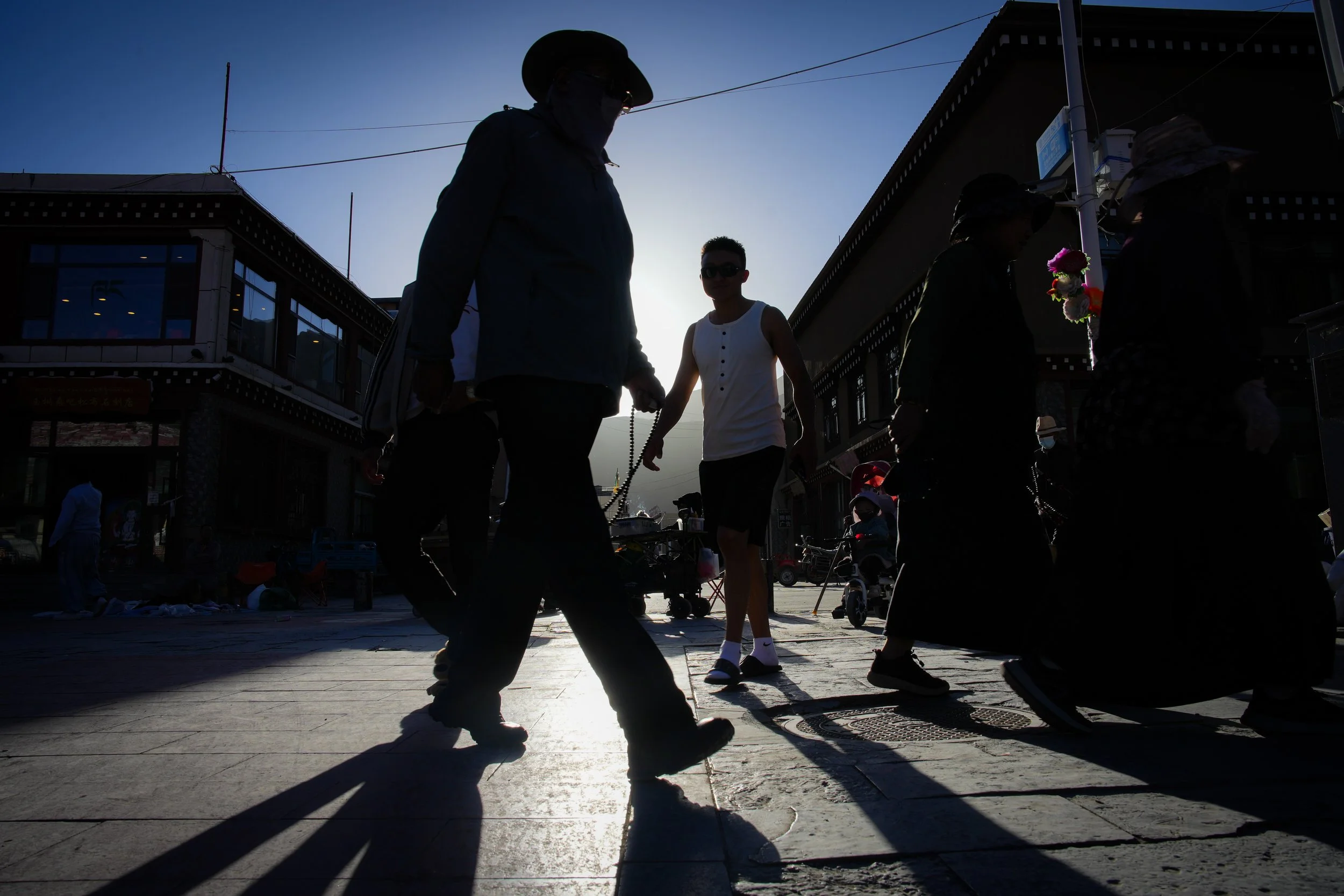
This order was not made for an outsider, and it will not bend for one.
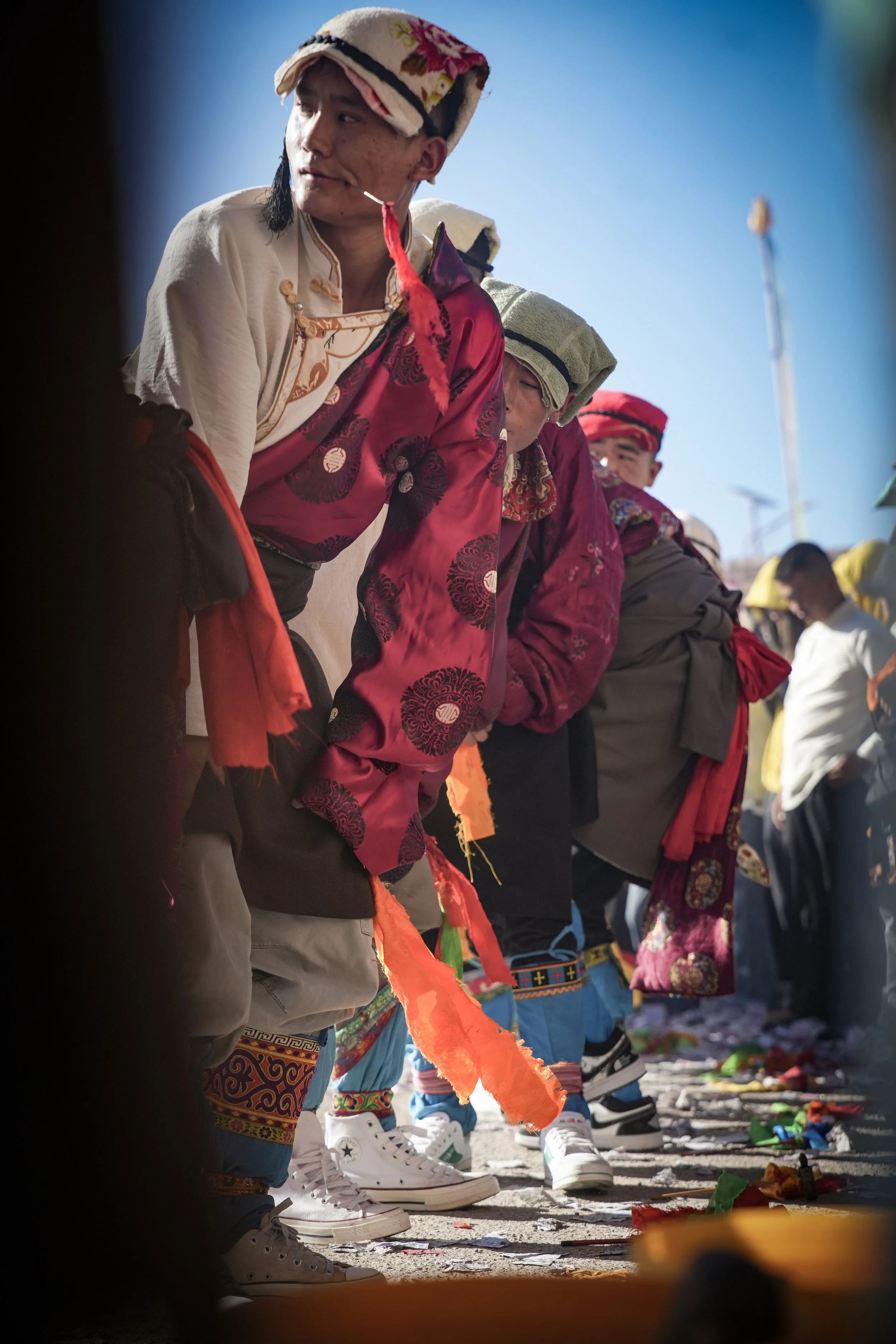
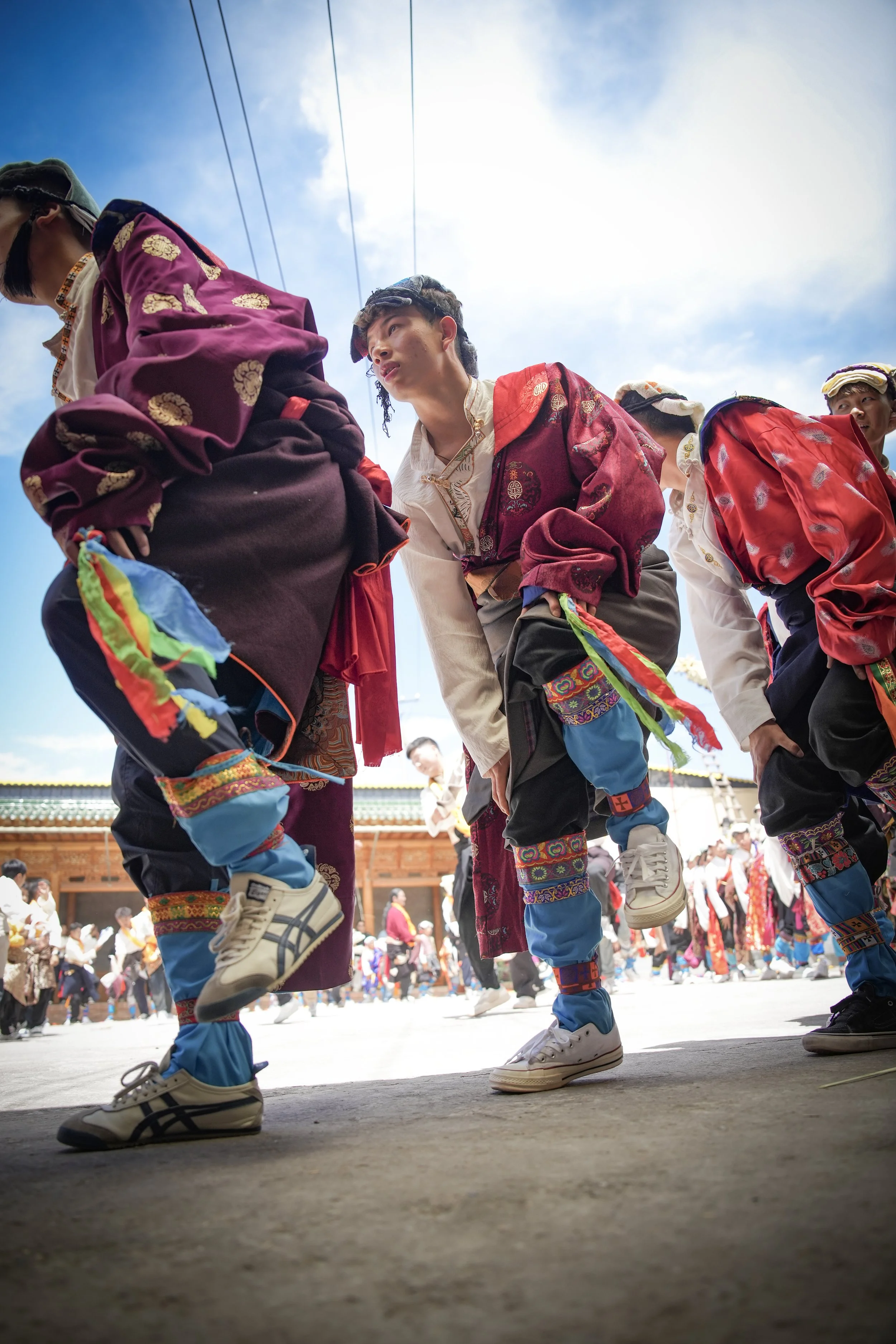
The robe is old.
The shoe is new.
Two times stacked on one foot. Closeness,
and a mismatch, in the same frame.
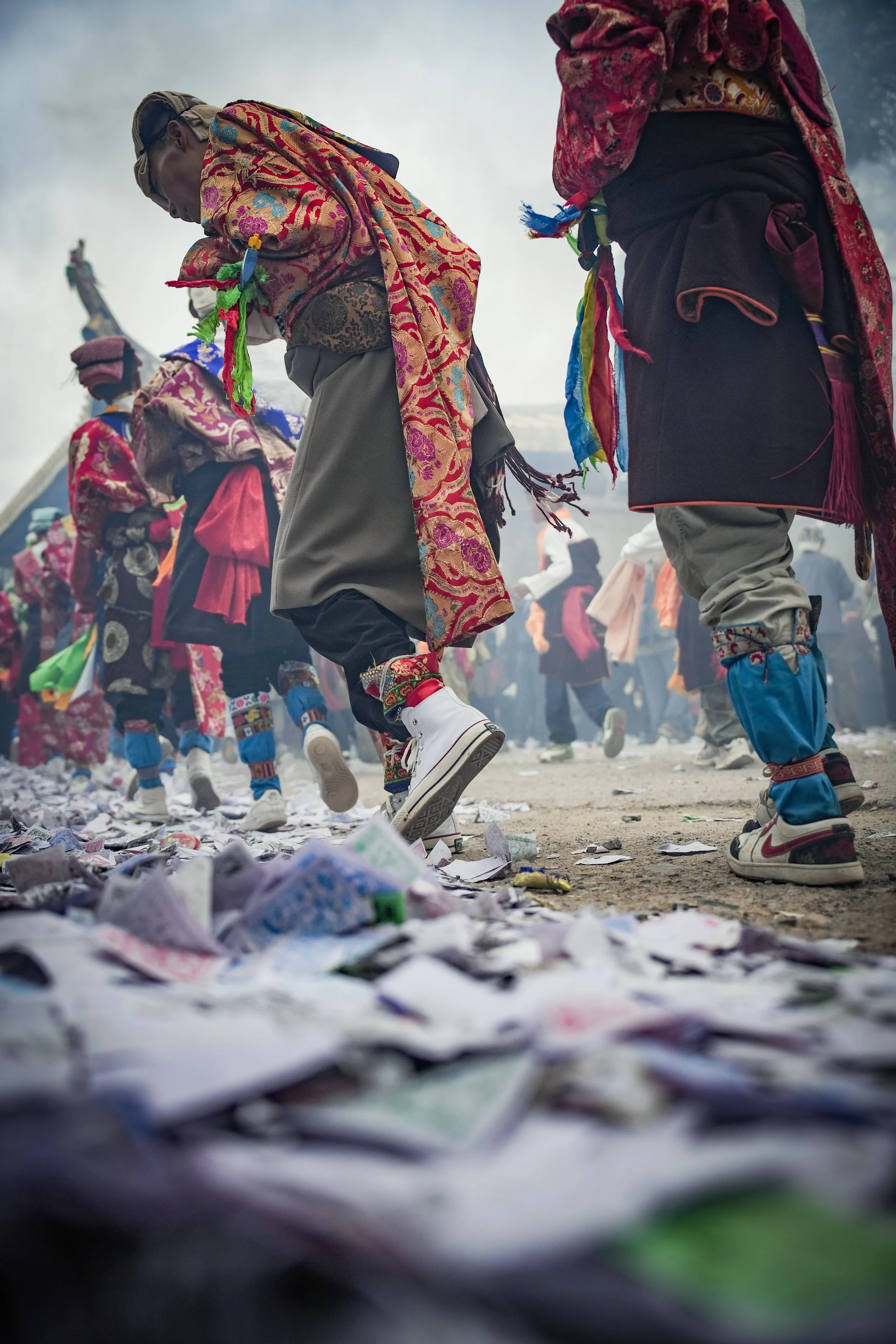
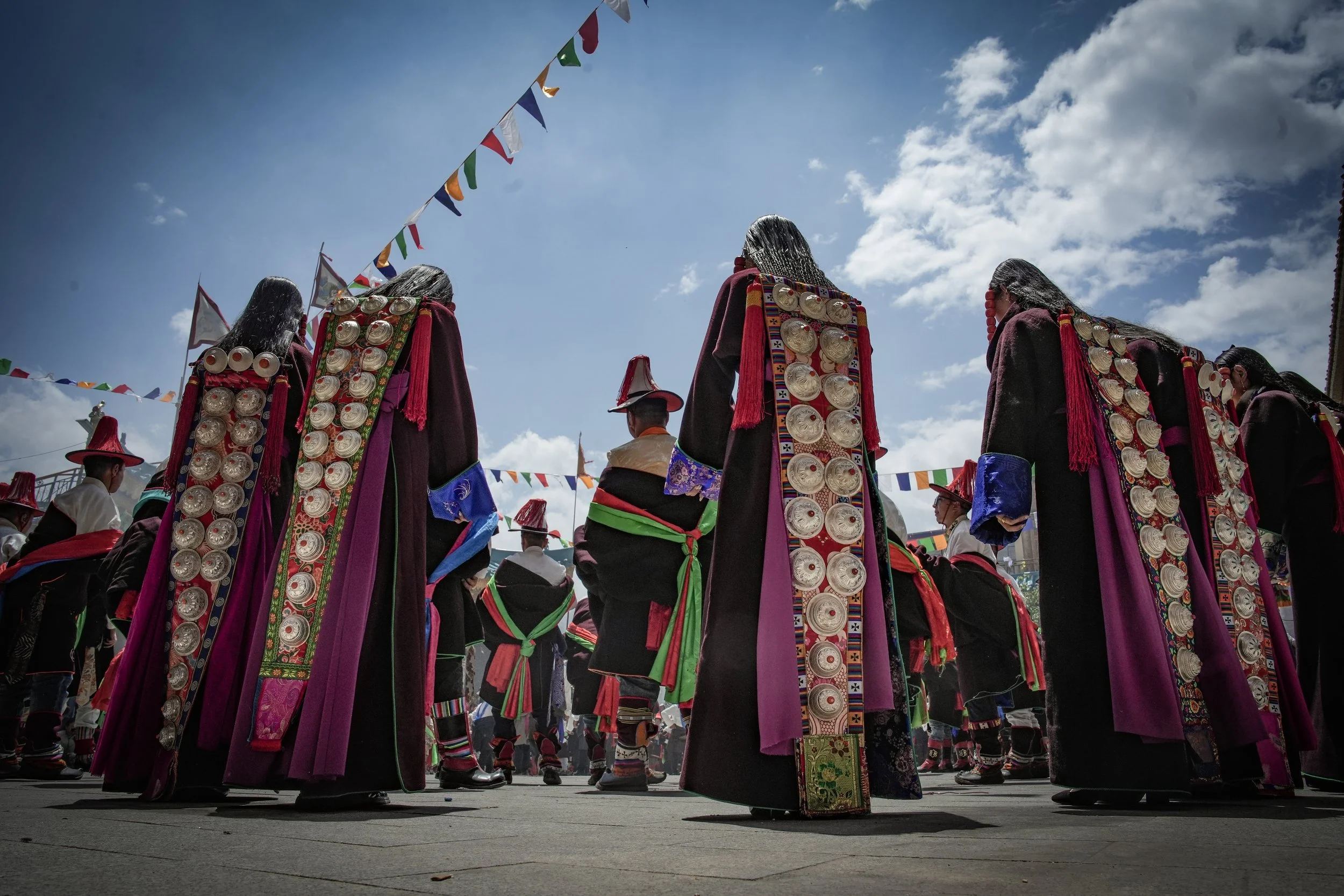
They keep the face for the mountain, and the back for the lens.
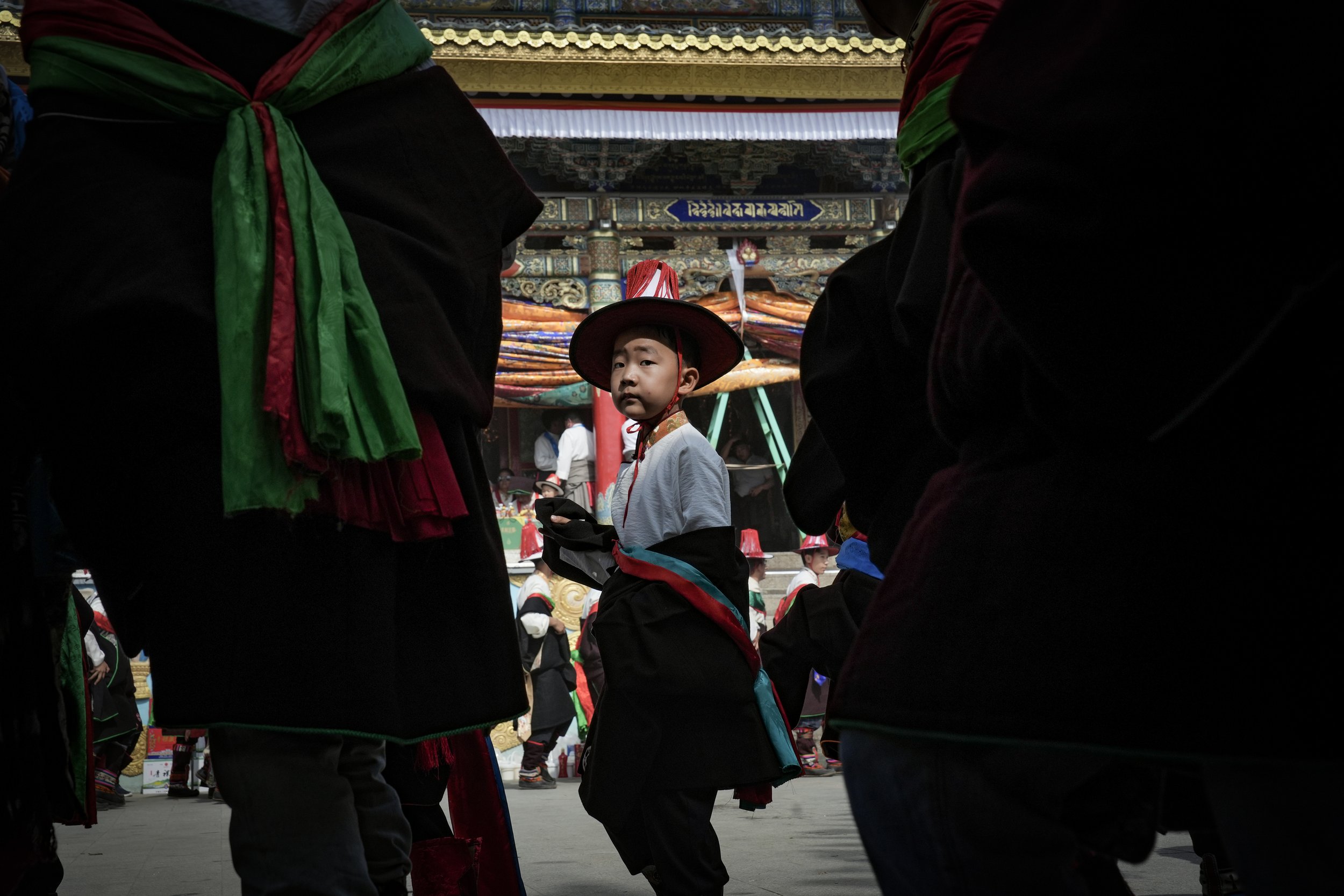
01 APPROACHING
The seam is still there. I am on this side of it.
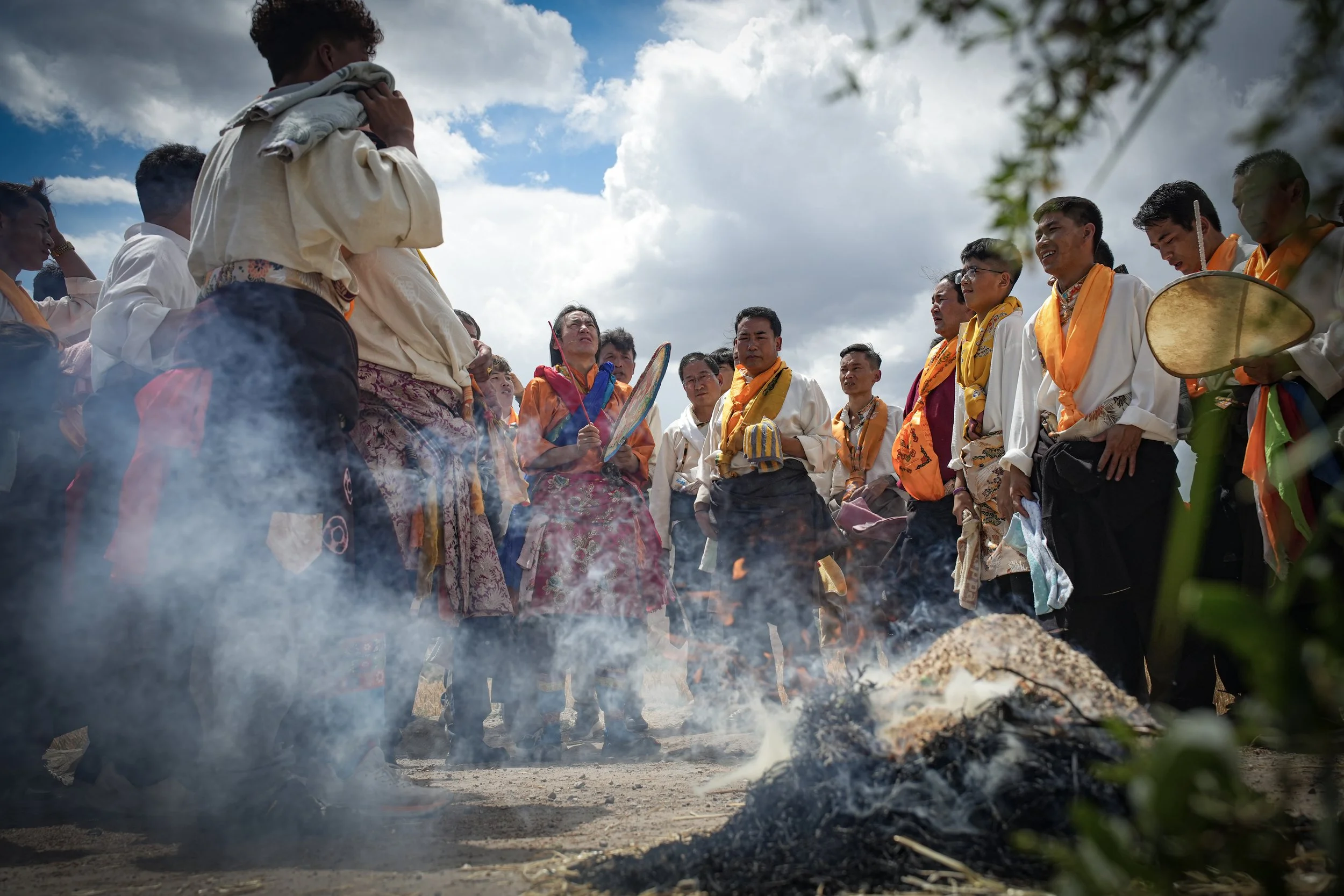
Once a year, the villages around Rebkong give the
square back to the mountain. That is the Lurol, the
June Festival of Tongren: three or four days in the
sixth lunar month, when Tibetan and Tu households
turn out together to honor the local deities and ask
protection for the harvest. Drums, coral, banners, and
three ritual dances — god, dragon, and army — fill the
yard. At the center is the lawa, the village medium
through whom the mountain is said to arrive.
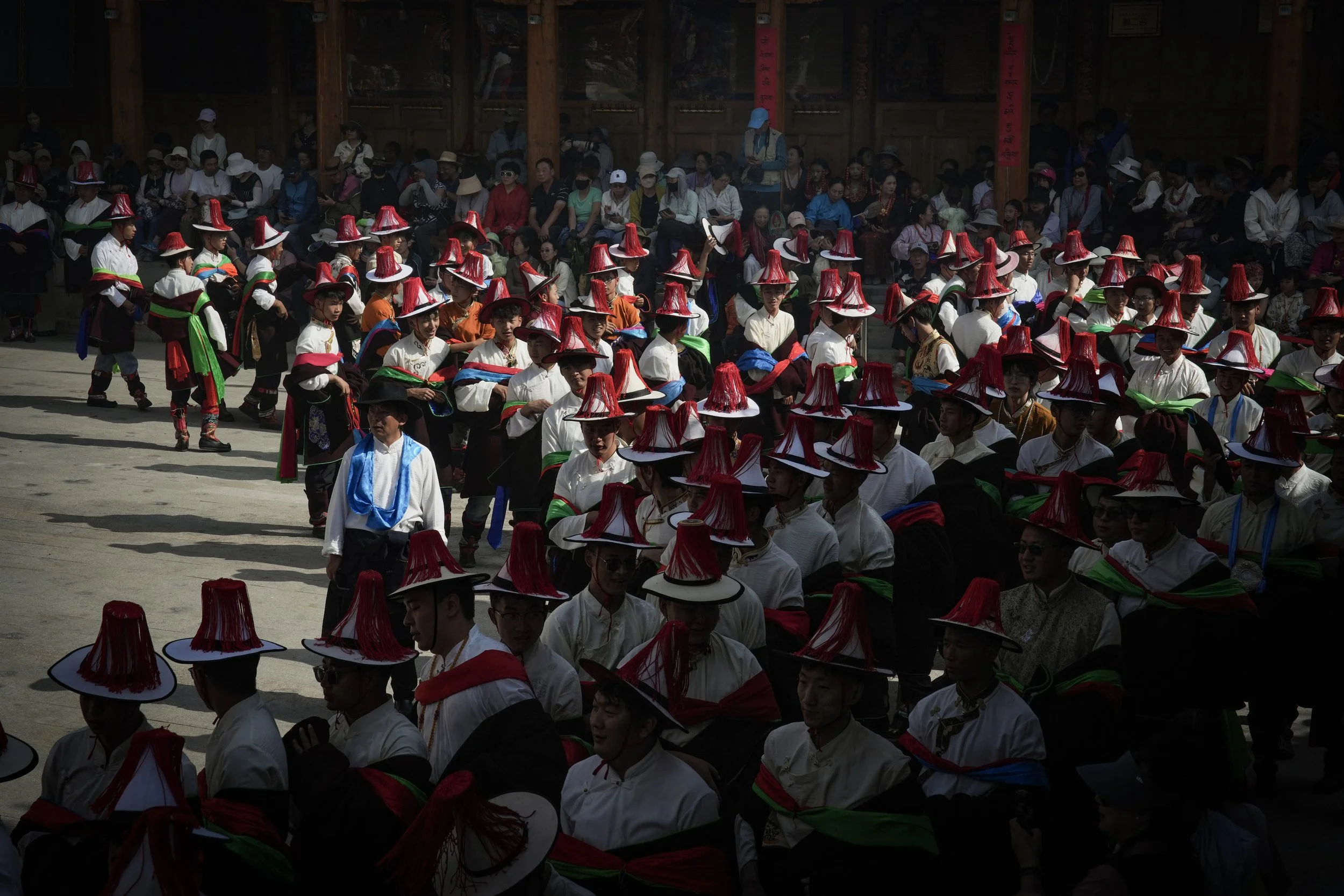
I stood in that yard as an outsider with a camera. I
photographed through other people’s shoulders.
Wine was thrown the way a sentence is thrown; the
sharp liquid soaked the coat and smelled of
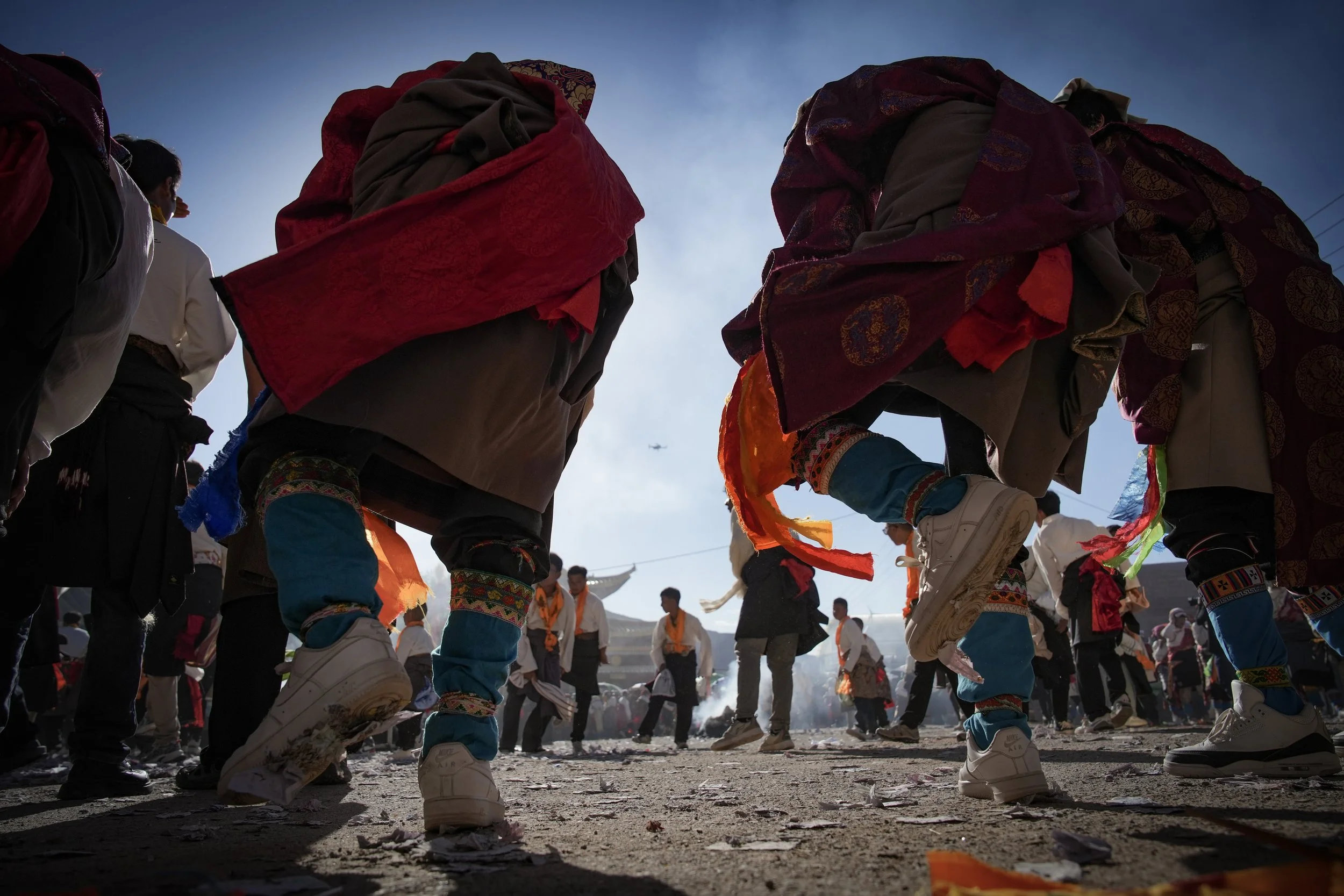
fermentation. Under the knotted robe I saw running
shoes. Blessing, or a sending-away: I still cannot
tell. The body was in the square. The heart had not
yet chosen a side.